
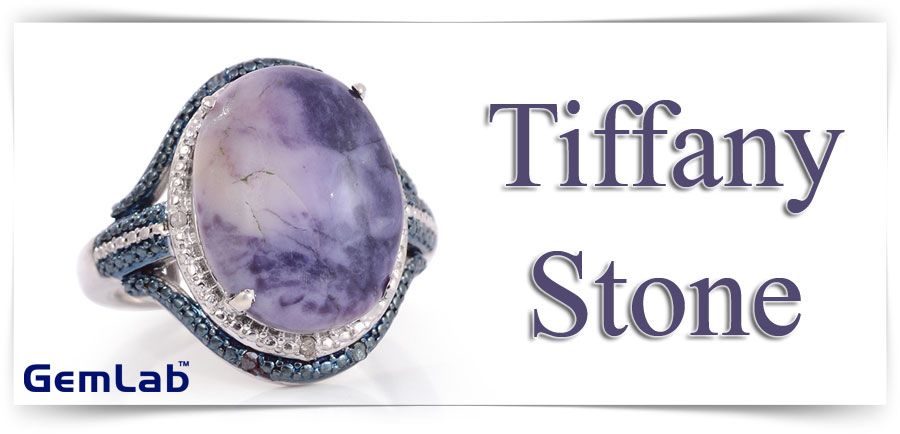
What is Tiffany Stone?
Tiffany Stone, also known as Bertrandite, is a rare, gorgeous gemstone which has long been considered a fascination for gem collectors and jewelry enthusiasts. Its vibrant palette of colors, with bright purples, blues, and pinks, puts it right next to the most boldly colored gemstones known in the present day. While Tiffany Stone is a marvelous beauty, few people know it when compared with other gemstones like diamonds, sapphires, or emeralds. In the following in-depth review, we will discuss Tiffany Stone’s history, properties, uses, and benefits. And, of course, we will give you important tips if you plan to buy this gemstone and maintain it well.
- Why is it called Tiffany Stone?
- Unique Properties of Tiffany Stone
- Usage of Tiffany Stone
- How to Identify Real Tiffany Stone
- How to Buy Tiffany Stone
- Care of Tiffany Stone
- Conclusion
- Frequently Asked Questions About Tiffany Stone
Why is it called Tiffany Stone?
The name “Tiffany Stone” has no relation to the well-known Tiffany & Co. jewelry company. Instead, it arrived with the local miners who believed that the beauty of the purple and bluish colors was a reflection of the elaborately wealthy style portrayed by this organization. It is also known as “Ice Cream Opal” or “Purple Bertrandite” for its swirling pastel colors and its shade of purple.
Origins and History of Tiffany Stone
Tiffany Stone was first discovered in the early 20th century in Utah, USA. The stone was firstly utilized industrially. That, in that sense, it is used mainly for the extraction of beryllium as the stone contains beryllium, a material highly valued in the aerospace industries. Much later was its beauty appreciated, and today it is well sought after in the study of gemstones and jewelry. Though the stone is hardly ever mined, its rarity enhances its attraction to collectors.
Unique Properties of Tiffany Stone
Chemical Composition and Structure
Tiffany stone is mainly consisting of beryllium silicate mixed with other minerals, like fluorite, opal, and chalcedony. Such a combination gives the stone its characteristic colors, from deep purple to light lavender, pink, blue, and cream. The presence of opal often gives a soft, glowing translucence, which adds more beauty to the stone.
Color Variations
The most beautiful feature about Tiffany Stone is its color choice. It is quite deep purple in most instances but sometimes comes in various shades of blue, pink, yellow, and white. The patterns or swirl in the stone can be said to resemble some sort of abstract art. The colours in Tiffany Stone are stated to be produced through multiple impurities and geological processes during its formation process.
- Purple and Lavender: The most common and valuable color, usually as a result of manganese inclusion
- Blue: Due to fluorite
- Pink and Cream: Usually associated with stones that have a high amount of opal
Hardness and Durability
On the Mohs scale of hardness, Tiffany Stone ranks between 5 and 6. This makes it fall in the bracket of relatively soft gemstones as opposed to a sapphire or diamond. It therefore calls for special care and attention, especially when used in jewelry items. It is advised to make use of protective settings whenever this stone is set in rings and bracelets so that it does not get scratched and end up with chips.
Usage of Tiffany Stone
Tiffany Stone in Jewelry
The Tiffany Stone gemstone exhibits strong colors and patterns, which make it popular in jewelry making. Rarity and aesthetic appeal have made this gemstone especially alluring to collectors seeking an unusual item. This gemstone is mostly used in:
- Pendants: It is very common that Tiffany Stone is often found in pendants as a gentle stone tends to be molded in pendants so that it can be displayed beautifully without being subjected to rough wear.
- Earrings: Tiffany stone earrings can add little elegance and color to an outfit, really adding it up as a sweet ornament.
- Cabochons: The common and natural swirling colors and patterns of the stone are best exhibited in cabochon cuts, which give the stone its natural beauty without faceting.
How to Identify Real Tiffany Stone
Physical Appearance
Tiffany Stone can easily be identified based on the classic color patterns that define it. The characteristic purples, blue, pinks, and creams swirled up in abstract patterns will indicate the stone’s appearance. The stone can take up translucency and glow if it has some amounts of opal or fluorite.
Testing and Certification
Because Tiffany Stone is so rare, always ensure that you are buying the genuine article. Insist on a certificate of authenticity from your seller. Even if this does not prove to be sufficient, also consider submitting the stone for gemological testing to confirm identification.
Common Imitations
Another gemstone or synthetic material can approximate Tiffany Stone. Avoid stones that are labeled as “Tiffany Stone” for which the characteristic color patterns are not evident or those stones that cost a lot less than other Tiffany Stones that are available in the market.
How to Buy Tiffany Stone
Where to Buy Tiffany Stone
Tiffany Stone is relatively not as common as most other gemstones; therefore, it is crucial to know where to buy. Look for any reputable gem dealers, both online and off that specialize in rare stones. Some good sources for buying Tiffany Stone include:
- Online Gemstone Marketplaces: Websites like Etsy or specialized gemstone shops would be your best bet for Tiffany Stone.
- Gem and Mineral Shows: Visit a gem show to view and purchase Tiffany Stone in person.
- Jewelry Stores: Some fine jewelers carry Tiffany Stone, primarily for unique or handcrafted pieces.
What to Look for When Buying Tiffany Stone
Some of the key things to look for and consider when purchasing Tiffany Stone include:
- Color: The most appealing Tiffany Stones feature vibrant purples and blues. The stones featuring uncommon and well-balanced patterns are most costly.
- Size: Like any other type of gemstone, the bigger a stone, the rarer, and therefore the more expensive it becomes.
- Clarity: It is characteristic of Tiffany Stone to feature inclusions. The fewer inclusions in a stone and brighter the colors, the costlier it will be.
Care of Tiffany Stone
How to clean Tiffany Stone
It is also rather careful to clean because of its relatively soft nature. It should not be used in chemicals and ultrasonic cleaners because these can damage the stone. Tiffany Stone is to be cleaned using warm water, mild soap, and a soft cloth. Wipe the stone gently and avoid abrasive materials that may scratch the surface.
Storage of Tiffany Stone
Store Tiffany Stone in a soft pouch or a jewelry box with individual compartments when not in use. This way, it will not come into contact with harder gemstones that can damage its surface. Separate each piece of Tiffany Stone when storing multiple pieces to avoid damage.
Wear and Handling Tips
Because it is soft, Tiffany Stone requires proper care. You should not wear Tiffany Stone jewelry during events where it might come into contact with other abrasive surfaces or sharp edges. Rings and bracelets are generally more vulnerable to damage; therefore, you may opt to settle for Tiffany Stone on pendants or earrings that are less sensitive to shock.
Conclusion
Tiffany Stone is one of the kinds of gemstones that offer beauty and rarity in its swirling patterns of purples, blues, and pinks, making this particular gemstone extremely beautiful for jewelry. Indicated to provide emotional as well as spiritual benefits, it has much to contribute to the healing processes where people receive spiritual and emotional feelings for them. Whether it’s just a collector, you are in love with jewelry, or want to seek an even greater connection with stones, Tiffany Stone makes very much worth in any collection.
Frequently Asked Questions About Tiffany Stone
Q1: Where does almost 100% of all Tiffany Stone come from?
A: Virtually all Tiffany Stone comes from the Brush Wellman Beryllium Mine in Utah. Gemstones of this variety are relatively rare compared to more common types.
Q2: Is it safe to wear Tiffany Stone every day?
A: Due to its relative softness (Mohs hardness of 5-6), Tiffany Stone is not suitable for everyday jewelry, particularly rings and bracelets.
Q3: Does Tiffany Stone possess any healing properties?
A : Many believe that Tiffany Stone, which has metaphysical properties including emotional healing and also intuition.
Q4: Are Tiffany Stones appropriate in engagement rings?
A: Though Tiffany Stone is as pretty as a rainbow, this stone would not be good enough for an engagement ring because this stone is soft, and people wear the stone daily.
Q5: How to clean Tiffany Stone?
A: Clean Tiffany Stone with warm water, mild soap, and a soft cloth. Do not use ultrasonic cleaners or harsh chemicals.








Leave A Comment