

Gemstones have fascinated human beings since time immemorial due to their bright colours, unique patterns, and allure. Among the color characteristics-hue, tone, and saturation-one very important factor that creates a gemstone beautiful and priceless is its saturation. In this major guide, we are going to walk you through the concept of gemstone color saturation, its relevance, and how it impacts the value and beauty of gemstones.
Table of Content :
- Understanding Gemstone Color
- What Is Gemstone Color Saturation?
- Determinants of Saturation of Color in Gemstone
- Examples of Highly Colored Gemstones
- Conclusion
Understanding Gemstone Color
Before going deep into color saturation, we have to understand that there are three primary attributes defining gemstone color:
1. Hue
Hue is that color property of the gem that gives it a basic color. For example, emeralds are green, rubies are red, and sapphires range from blue to pink. Hue describes the dominant wavelength of light reflecting off the gemstone, which is usually the first noticeable part of its color.
2. Tone
Tone is a way of describing how light or dark a colour is in a gemstone. It runs from very light to very dark. The most pleasing stones in terms of tone tend to be those that fall within the medium to medium-dark range; stones with tones which are very light or very dark can actually tend to diminish the beauty of the gem.
3. Saturation
Saturation refers to the intensity or purity of the color in the gemstone. This characteristic of color describes how vibrant or dull the color appears. A gemstone with high saturation will look vivid and bright, whereas a gemstone with low saturation will appear washed out or even grayish.
What Is Gemstone Color Saturation?
The Definition of Color Saturation
The saturation of gemstone color is the intensity or purity of a gem’s color, whereby it measures how free of gray or brown tones the color is, which has a tendency to dull the general appearance of the gem. As saturation increases, so does the vibrancy, richness, and intensity the color becomes.
How Saturation Is Measured in Gemstones
Saturation is usually graded on a scale, which runs from a minimum saturation level to the maximum saturation level. The traditional classes of saturation are:
1.Dull: The stones will be unsaturated, very washed out in appearance with modifiers that are essentially gray or brown clearly visible.
2.Weak: Gemstones with little color, with mostly neutral colors dominating.
3.Moderate: A split between color intensity and modifiers that are essentially gray or brown.
4. Full: Neutral tones’ reticent interference; extremely saturated color
5. Brilliant: Bright and saturated, absolute minimal interferences of grey and brown.
Importance of Color Saturation in Gemstones
Colour saturation is significant in giving beauty and value to the gemstones because this factor directly plays a role in the appearance of brilliance of the gemstone. Saturated colors are striking, lively, and often elicit deeper emotional responses. For most gemstones like rubies, sapphires, and emeralds, color plays the key role in deciding the market value.
Examples:
•Rubies: The finest rubies exhibit a bright red saturation without overtones of brown or purple. An intense saturated ruby will yield an “pigeon blood red” color, which makes it a prized color.
•sapphire: The most desirable blue sapphires have a strong to vivid saturation of hue, holding a deep blue rather than dark or lifeless.
• Emerald: The more saturated in strong to vivid green, free of too much gray or yellow, the more valuable emerald is.
Generally speaking, gemstones that exhibit vibrancy in color fetch a premium price in the market because they are rarer and better looking.
Determinants of Saturation of Color in Gemstone
There are many considerations that influence the saturation level of the color in a gemstone. These are the chemical composition of the stone, how it formed, and how the stone might be treated or cut.
1. Chemical Composition and Crystal Structure
The saturation of a gemstone is oftentimes related to its chemical composition as well as its crystal structure. As it happens in the case of some elements, such as chromium, iron, or titanium, that have increased saturation in specific types of gemstones.
- The red saturation of rubies is based on the presence of chromium.
- The blue saturation of sapphires is the result of iron and titanium presence.
- Emeralds derive their green saturation from chromium as well as vanadium.
The higher the trace elements in a gem, the deeper the color saturation of that gem.
- Natural vs. Treated Gemstones
There are different types of treatments applied to the gems to deepen their color saturation. The common treatments are:
- Heat Treatment: This is used to enhance the sapphires and rubies to increase the color saturation. The process involves heating of the gemstone, where the impurities are removed so that there is an enhanced saturation of the color.
- Oiling: These are frequently oiled emeralds for improved clarity and saturation. Oiling fills the surface-reaching fractures and enhances the vividness of the green color.
- Irradiation: Certain gemstones like topaz may be irradiated for a stronger saturation of their color.
3. Cut and Shape of the Gemstone
The cut and shape of a gemstone also affect the color saturation. A well-cut stone reflects light in such a way that enhances the intensity and depth of the color. A poorly cut stone comes out dull, even when it has good inherent saturation.
The cutter is often faced with the dilemma of maximizing color versus minimizing weight loss when cutting a gemstone with high saturation. For example, an overcut can make a gemstone appear darker and makes the overall appearance undesirable, whereas if it is too shallow, then the color will be washed out.
4. Lighting Conditions
Lighting can greatly affect how vibrant a gemstone looks. Incandescent lighting will enhance red and yellow hues, which provides more color saturation in gemstones like rubies and citrines. Daylight or fluorescent lighting will tend to keep the true color of a gemstone and reduce those hue enhancers. Gems can often display maximum color saturation under specific lighting conditions when being shown to a purchaser.
Examples of Highly Colored Gemstones (H2)
Some gemstones are very much known for their amazing and pure color saturation, which attracts everyone. Let us discuss some gemstones that are different due to their superb color saturation.
1. Ruby
Ruby: Generally speaking, ruby is the most highly valued of all colored gemstones. It is particularly prized for its deep red color and high saturation. In Burma, or Myanmar, the best rubies show an intense pigeon-blood color that few other gemstones can match.
2. Sapphire
The most popular of all sapphires is blue sapphire. It is one of the finest choices for an engagement ring and fine jewelry. The very best sapphires, especially those from Kashmir and Sri Lanka, have a deep, rich royal blue color with very strong to vivid saturation, which makes them highly in demand.
3. Emerald
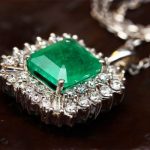
Colombian-emeralds, are known for their deep color and saturation. Such emeralds often come from this region, which accounts for some of the best emeralds worldwide and often attract good prices at auction due to their beautiful, intense green color.
4. Amethyst
Amethyst is a relatively common, deeply colored purple gemstone with medium to high saturation. Value amethysts occur mostly in Siberia and Uruguay, with a deep purple color and strong red or blue undertones that change as the stone is turned.
Conclusion
Color saturation refers to the intensity degree that is exhibited by a colored gemstone. It shall make a gemstone look vibrant and full of life or dull and uninspiring. It is very important that one examines the saturation level in purchasing colored gemstones, since it becomes an aspect of total beauty and market value of a colored gemstone.
This would allow a buyer to make an informed decision as to saturation, how it ties into tone, hue, and perhaps other factors involved with his or her gemstone.
As you contemplate the purchase of a gemstone – ruby, sapphire, emerald, or one of many other colored stones – color saturation always is the deciding factor. And that’s only because a highly saturated color is the very definition of a gem that will evoke none but the acknowledgment of eternal beauty and elegance.









Leave A Comment