

Introduction to the Zircon Gemstone
Among the greatest and most mysterious gemstones, zircon is often misunderstood or overlooked by synthetic diamonds and cubic zirconia. However, natural zircon has some historic values, unique qualities, and its own beauty, making it a precious gemstone. Well, we will be unveiling all that is there to know about zircon, from its formation to spirituality, how to care for it, and where to get it. It’s designed to let you know all you want to know about zircon and even enhance your gem knowledge, making it a quality guide for the buyers and collectors.
1. What is Zircon? 2. Types of Zircon 3. Zircon vs Cubic Zirconia: Key Differences 4. Physical and Optical Properties of Zircon 5. Origin and Creation of Zircon
6. Sources of Zircon around the Globe 7. Choosing the Right Zircon Gemstones 8. Jewelleries and Uses of Zircon 9. Caring for Jewelry made from Zircon 10. Buyer’s Guide for Zircon Gemstone 11. Conclusion
What is Zircon?
Zircon is a naturally occurring gemstone, not to be mistaken for cubic zirconia-an artificial diamond simulant. Zircon is a type of nesosilicate mineral; the chemical formula is ZrSiO4 (Zirconium Silicate). Frequent occurrence is found in metamorphic rocks, especially granite and other igneous formations. The hardness of zircon ranges from 6.5 to 7.5 on the Mohs scale, hence considered durable enough for daily wear, but very cautious handling is very much required to avoid scratches.
History and Significance of Zircon
Zircon has been around for thousands of years. Being a gemstone, it was believed to have been found even in ancient times. Usage in the Medieval believed zircon to bring sleep, ward off evil spirits, and guarantee prosperity. Its radiant beauty, coupled with the availability of this gem in many colours made zircon a favorite across different cultures. Gradually, zircon emerged as a gem marking nobility and wisdom.
Types of Zircon
Blue Zircon
Perhaps the most sought after of all is blue zircon. It is this stone that has an electric blue color and is quite literally the best of all, which is why people opt for it. Blue zircon is created by heat treatment, and the process brings out the natural color of the stones. Its brilliance and fire have managed to win over fans.
White Zircon
White zircon also has optical properties like those of diamond, a high refractive index, and strong dispersion, which led people to mistakenly identify it with diamond. Under such scenarios, it becomes one of the best diamond alternatives for engagement rings and similar fine jewelry pieces, offering the equivalent at an affordable price.
Red and Brown Zircon
Natural red and brown zircon can have a warm earthy appeal. These shades are relatively rarer and usually highly prized by collectors and connoisseurs of unusual gemstones. The depth of color makes these stones ideal for unique jewelry pieces.
Green Zircon
Green zircon is relatively rare and highly prized. It can range from pale yellow-green to a deep forest green. Compared to blue zircon, it is scarce for natural color of green zircon not to have been enhanced, thus it makes them more valuable to collectors.
Zircon vs Cubic Zirconia: Important differences
Chemical composition
Zircon is a mineral, while cubic zirconia or CZ is a synthetic product that serves as a diamond simulant. Chemical composition of zircon imparts to it several properties amongst which are having high refractive index and double refraction.
Appearance
Although zircon and cubic zirconia may resemble diamonds at first glance, zircon often has more fire — dispersion of light into colors, and a higher brilliance. Zircon displays a unique optical property known as birefringence, where facets viewed under magnification may appear doubled.
Roughness
To cubic zirconia, zircon is harder- 6.5 to 7.5 on the Mohs scale- while CZ has a hardness of 8 to 8.5. Though, zircon is somewhat brittle so care should be exercised in order not to have damage from sharp impacts.
Physical and Optical Properties of Zircon
Hardness
Zircon is 6.5 to 7.5 on the Mohs scale, which is relatively strong for most jewelry purposes but far from a sapphire or diamond in hardness. It is fragile and requires careful touch so that it wouldn’t be scratched or chipped.
Refractive Index
Zircon’s refractive index ranges from 1.92 to 2.00, which is quite brilliant and sparkling and close to a diamond. This explains the refractive index as to why zircon is often used as an artificial diamond in jewelry.
Luster
The adamantineluster of zircon gives it a bright, mirror-like shine when well cut and polished. This high luster combined with other optical properties makes zircon an extremely precious gemstone.
Origins and Formation of Zircon
Geological Formation
Zircon is formed in igneous rocks and often found in granitic and volcanic formations. Zircon would crystallize from magma, but it could also be found in metamorphic rocks. The crystals of zircon are very durable and usually survived erosion, metamorphism, and even subduction in the crust of the Earth.
Sources of Zircon around the Globe
Zircon is mined in several parts of the world. Major zircon-producing countries include:
- Sri Lanka: They are known for the colorful zircon and so in shades of blue and white.
- Cambodia: They also contribute a lot in producing other beautiful hues of blue zircons.
- Australia: The two colorous and colorless zircon abound greatly there.
- Myanmar: They are famous for bright green zircons.
- Madagascar: It produces all the shades of zircon color, including red and brown.
How to Choose Zircon Gemstones
Color is one of the most critical selection criteria when choosing zircon. While blue is the most frequently occurring color, zircon comes in a near- infinite range of colors, including white, red, green, and brown. A high-quality stone should possess a fine intense, saturated color and high clarity.
Cut Brilliance and fire in zircon are dependent on the quality of its cut. Stones that are cut with precision, like round, oval, and cushion shape, will have more brilliance and fire. Ensure the stone has symmetrical facets and balanced shape for maximum beauty.
Clarity Good-quality zircon stones have few inclusions or internal flaws. Since zircon is a natural gemstone, it is expected to have small inclusions; however, only eye-clean stones command value-that is, stones that have no inclusions visible to the naked eye.
Carat Weight Zircon stones also vary in size, from smaller sizes to quite large. The larger, cleaner, and clearer the zircons will obviously be worth more. Notice that larger zircons should show more birefringence, which means that doubled images are likely to be more noticeable on facets because of doubling.

White Zircon Gemstone
Jewelry and Uses of Zircon
Engagement Rings
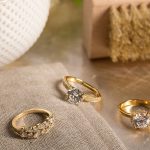
Zircon is actually a perfect alternative for diamond engagement rings as it glows with comparable brilliance and fire yet at a much lower price. The wide color spectrum of this gemstone gives it the ability to accommodate a very personal and diverse design for the ring.
Ear Jewelry
The two most common blue and white zircon matched in sparkle and luster the zircon stud earrings or the drop earrings.
Necklaces and Pendants
Zircon is very versatile and goes well with any type of necklaces or pendants. Indeed, Blue zircon pendants are just impressive and great for dashing up a wardrobe.
Bracelets
Zircon tennis or bangle bracelets come off as very stylish and classy. For it is a very hard stone, it can be worn daily if given proper care.
Taking Care of Zircon Jewelry
Cleaning Zircon
Clean your zircon periodically with gentle soap and warm water. The stone should be scrubbed using a soft brush, and it should be dried out using a soft cloth. Avoid ultrasonic cleaners because zircon easily becomes brittle and may crack due to too much pressure.
How to Store Zircon
Keep zircon jewelry in a soft cloth pouch or a separate compartment in a jewelry box to prevent scratching. Due to its brittle nature, zircon should not be dropped or hit.
How to Buy Zircon Gemstone
Where to Buy Zircon
When purchasing zircon, make sure you buy it from a reputable dealer. Look for dealers that can show proof of certification of the stone from a known gemological laboratory. This ensures that your stone is genuine and of good quality.
Price of Zircon
The price of zircon differs by color, clarity, cut, and carat weight. However, the most expensive one is blue zircon because of its popularity, followed by green zircon, while white zircon is beautiful but a little cheap.
Conclusion
Zircon is one of the beautiful gemstones with a history. It comes in so many colors, and glittering with the relatively affordable price, it is an excellent choice for jewelry lovers and collectors. Whether you are planning to get an engagement ring, looking for a spiritual stone, or just something uncommon for your jewelry collection, then it is the zircon. Zircon will bring you endless beauty and pleasure when properly cared for during the rest of your life.









Leave A Comment